Building a Sustainable Future: Innovations and Collaborations in Renewable Energy Networks
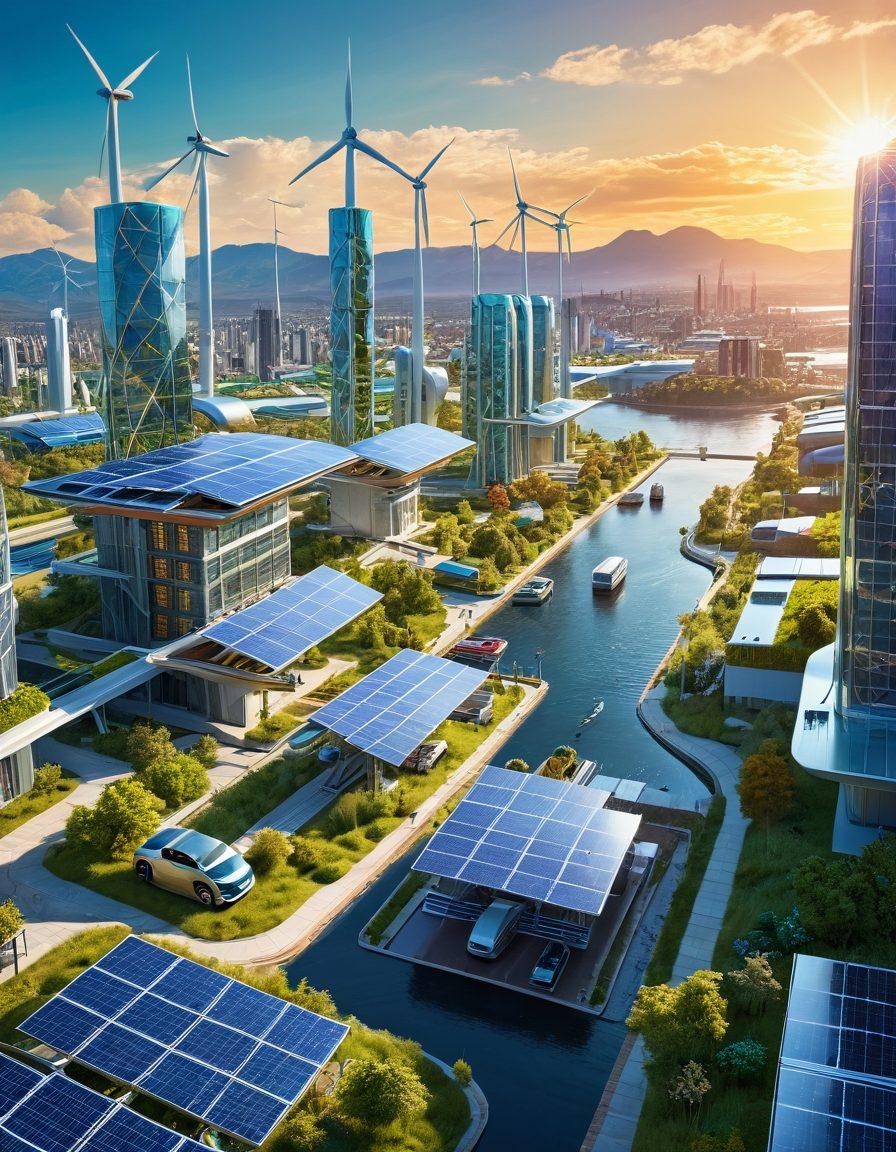
Renewable energy networks are undergoing a massive transformation, driven by groundbreaking innovations that are reshaping the future of energy. As we stand on the brink of an era where fossil fuels are no longer the dominant power source, the importance of sustainable energy solutions cannot be overstated. Across the globe, energy communities are pioneering new technologies and collaborative approaches, turning the idea of a green energy future into reality. So, what are these transformative innovations, and how are they revolutionizing the energy landscape?
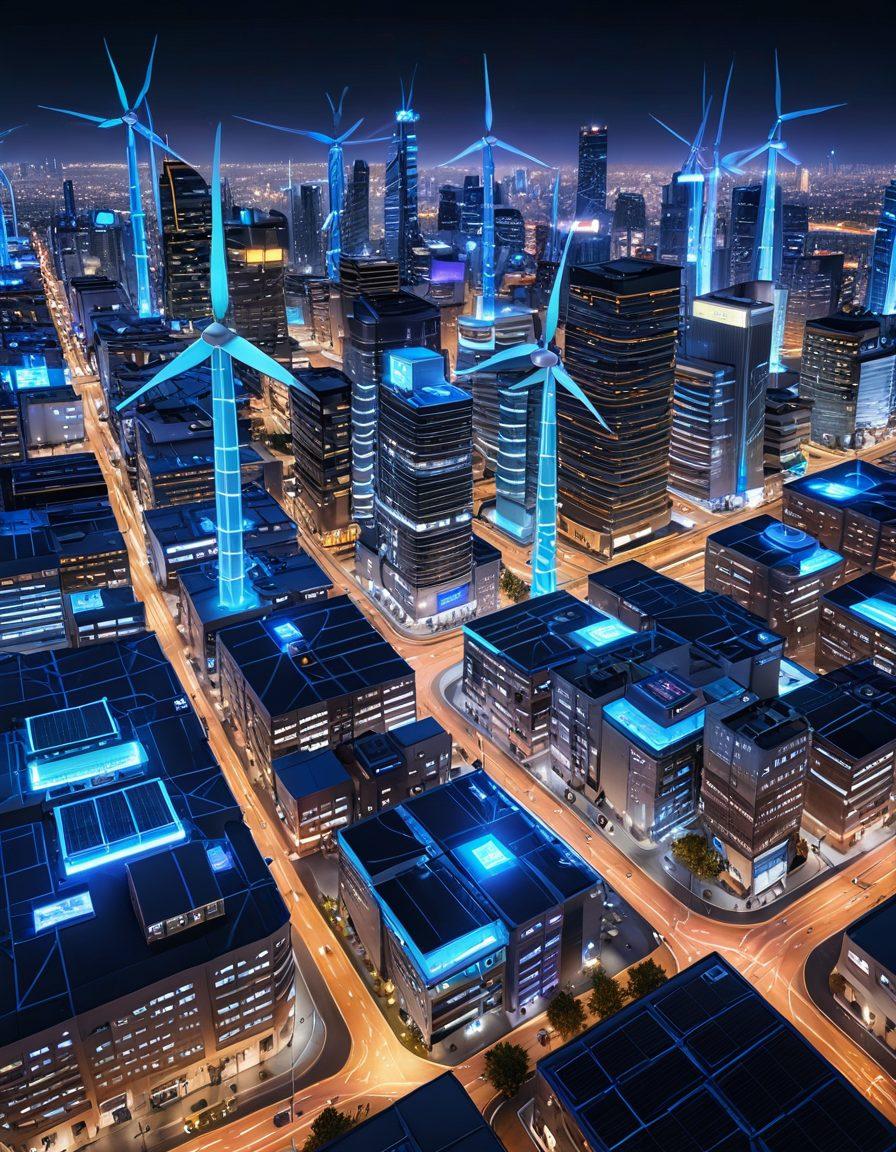
One of the most remarkable innovations in the renewable energy sector is the development of smart grids. These energy networks intelligently manage demand and supply, facilitating more efficient and reliable distribution of electricity. Unlike traditional grids, smart grids incorporate advanced energy information systems and real-time data analytics, enabling better integration of renewable resources like solar power and wind energy. Imagine a future where your home appliances communicate with the grid to operate during the most eco-friendly times - it's fast becoming a reality!
Energy storage technologies are another game-changing advancement. The ability to store surplus energy generated from renewable sources such as solar and wind is crucial for ensuring a consistent power supply, especially during periods when the sun isn't shining or the wind isn't blowing. Innovations in battery technology, including lithium-ion and emerging alternatives, are making significant strides in energy efficiency and storage capacity. Coupled with decentralized energy systems, these advancements signify a major step forward in achieving energy security and resilience.
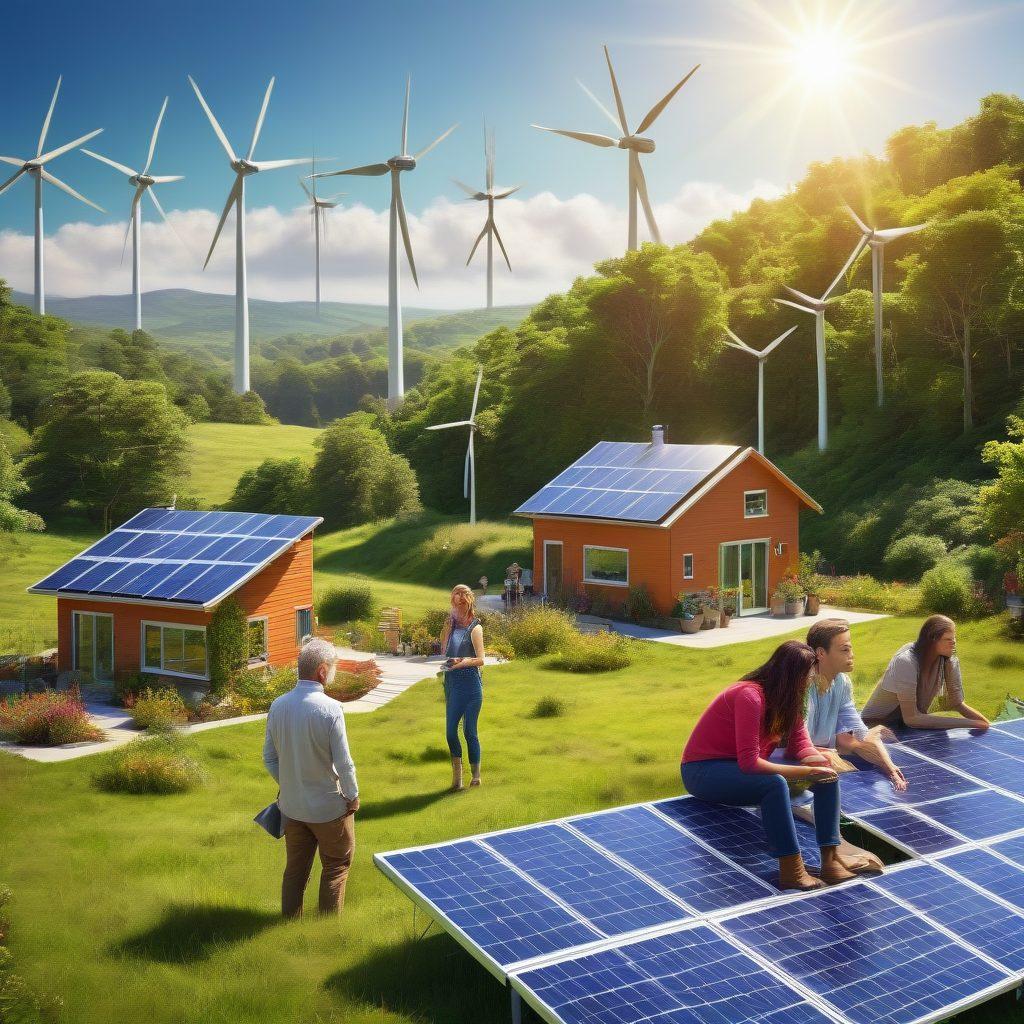
Community energy projects are also playing a pivotal role in this transformation. These projects empower local communities to generate, manage, and even trade their own clean energy. By leveraging renewable resources like solar panels and wind turbines, community-driven initiatives are fostering a sense of ownership and accountability towards energy conservation. Such projects not only reduce dependency on centralized power networks but also create an inclusive and sustainable energy ecosystem. Have you ever thought about joining an energy community to take charge of your energy needs?
Innovation in the field of energy policy is the glue that holds these technological advances together. Progressive energy policies and regulations are essential for fostering an environment conducive to innovation and collaboration. They encourage investment in renewable energy infrastructure and support the transition toward alternative energy sources. Policies promoting energy efficiency, conservation, and transparent energy management are crucial for the widespread adoption of green energy solutions. As we look to the future, regulatory frameworks that prioritize sustainable and eco-friendly energy practices will be key to building a resilient and thriving power network.
In conclusion, the future of renewable energy networks looks incredibly promising, shaped by transformative innovations and collaborative efforts. From smart grids and advanced energy storage technologies to community energy projects and enlightened energy policies, every aspect is contributing to a sustainable energy future. As we continue to explore and implement these innovations, each step takes us closer to an energy landscape defined by sustainability, efficiency, and resilience. Are you ready to be part of this exciting journey towards a cleaner, greener, and more energy-efficient world?
Collaborative Energy Solutions Driving Sustainable Community Projects
Imagine a world where communities come together to harness the power of renewable energy, creating sustainable and self-sufficient neighborhoods. The collaborative effort to develop energy solutions is driving a major transformation in many regions worldwide. These projects emphasize the importance of a shared energy community, intertwining traditional energy networks with innovative clean energy technologies, all in an effort to create a more sustainable future.
At the heart of these community energy projects lies the idea of collaborative energy solutions. Rather than relying solely on centralized power networks, communities are now developing decentralized energy systems, where renewable energy resources such as solar power, wind energy, hydropower, and geothermal energy come into play. This approach not only boosts energy efficiency but also fosters energy conservation and energy management within the community. How inspiring would it be to live in a place powered by the collective efforts of your neighbors and yourself?
One notable example is the implementation of smart grids and smart meters, which have revolutionized the way energy information is collected and utilized. This modern energy technology allows for better energy resource planning and optimization, ensuring that energy wastage is minimized and energy storage systems are effectively used. These advancements make it easier for an energy grid to handle the fluctuating supply from renewable resources, such as solar and wind, which are inherently variable. By efficiently managing these energy innovations, communities can stabilize their electricity networks while seamlessly integrating more green energy into their power grids.
But what really sets these projects apart is the sense of empowerment and ownership they instill within the community. When people actively participate in the generation and management of their own energy resources, there is a notable shift towards more eco-friendly energy practices. This not only promotes energy conservation but also ignites a deep-rooted commitment to sustainable living. Individuals become more aware of their energy consumption patterns and are motivated to seek out more energy-efficient ways to meet their needs. Actions such as installing solar panels or supporting wind energy initiatives suddenly become personal missions rather than just societal goals.
Furthermore, the collaboration in these community energy projects often extends beyond the local level, bringing together government bodies, private enterprises, and non-profit organizations. Policymakers are increasingly recognizing the potential of community-led energy solutions to contribute to broader energy policy goals and the global energy transition. The sharing of insights and resources between different stakeholders can drive significant advances in energy infrastructure and enable more comprehensive and impactful energy innovation. In a world where the demand for renewable and clean energy is ever-growing, such collaborative efforts are not just beneficial; they are essential for building a truly sustainable future.
Smart Grids and Decentralized Systems: The Backbone of Modern Energy Management
Imagine a world where your roof, adorned with solar panels, not only powers your home but also contributes to a larger web of shared sustainable energy. Across the street, your neighbor's wind turbine ceaselessly generates power, making a significant dent in our reliance on fossil fuels. This isn't a distant utopia; it’s fast becoming a reality thanks to smart grids and decentralized energy systems, the true backbone of modern energy management.
Traditional centralized energy systems often struggle with inefficiencies, including high transmission losses and the inability to integrate renewable energy sources effectively. Enter smart grids—ingenious networks that optimize energy distribution and consumption. By utilizing advanced energy technology, smart grids transform our power network into a dynamic and responsive system capable of adjusting to fluctuations in demand and integrating diverse renewable resources. Through real-time energy information and adaptive algorithms, these grids ensure maximum efficiency while reducing our carbon footprint.
But what exactly makes a smart grid 'smart'? Beyond just relaying electricity, smart grids manage the bidirectional flow of energy and information between providers and consumers. Through energy storage solutions and cutting-edge sensors, they maintain stability and reliability in an otherwise complex power network. It's akin to a conductor orchestrating a symphony, where each instrument—from solar panels to battery storage units—plays its part in the seamless delivery of clean energy. This harmonization of diverse energy resources proves pivotal in meeting the growing global demand for eco-friendly energy solutions.
Decentralized energy systems take this innovation a step further by empowering individual households, communities, and even entire cities to generate and manage their own energy. Instead of relying solely on a distant power plant, decentralized systems create localized networks that are more resilient and adaptive. For instance, community energy projects can harness local renewable resources, be it solar power, wind energy, hydropower, or even geothermal energy, to produce energy on-site. This localized approach not only bolsters energy conservation but also supports energy independence and community resilience against large-scale power outages.
Are these advancements in smart grids and decentralized systems the ultimate answer to our quest for sustainable energy? While they present promising energy solutions, they also require robust energy policy frameworks and substantial investment in energy infrastructure to thrive. The transition to a decentralized energy network is a collaborative effort, involving government entities, private sectors, and the energy community at large. By embracing energy innovation and fostering an environment that encourages green energy progress, we stand a greater chance of building a sustainable future, one watt at a time. So, how ready are we to be part of this energy transition?